Environmental Stress Screening (ESS) and Temperature Cycling (TC) are widely used reliability verification methods for electronic products, differing significantly in core principles, stress types, and application scenarios.
ESS is a multi-stress combined screening method. It efficiently identifies potential early-stage defects by applying multiple environmental stresses simultaneously, simulating the synergistic effects of real operating conditions.
TC is a single-stress screening method. It accelerates the exposure of thermal expansion/contraction-related defects through periodic temperature variations.
Key differences are as follows:
1. Stress Types & Defect Coverage
l TC: Only applies temperature cycling stress (e.g., -55°C to +125°C). Thermal stress induced by differential material expansion/contraction detects defects directly linked to thermal matching, including solder joint fatigue, poor chip bonding, package cracks, and multi-layer dielectric splitting.
l ESS: Adopts a multi-stress superimposition strategy, synchronously applying temperature cycling, random vibration, and electrical stress (e.g., dynamic voltage switching). This coupling effect effectively exposes complex failure modes such as structural loosening, poor connector contact, microcrack propagation, and intermittent conduction failure, especially intermittent faults hard to replicate under single-stress conditions.
2. Equipment Investment & Cost
l TC: Requires only temperature test chambers, with low procurement costs, standardized operation, easy maintenance, minimal energy/labor consumption, and suitability for large-scale mass production deployment.
l ESS: Demands an integrated test platform comprising temperature control systems, vibration tables, electrical stress loading modules, and high-precision monitoring systems. Initial investment typically exceeds RMB 1 million, with high-end configurations costing several million yuan. It imposes strict requirements on site, power supply, cooling systems, and technician expertise, leading to substantially higher operational costs.
3. Application Scenarios & Industry Requirements
l TC: A routine screening method widely used in consumer electronics and industrial control equipment—fields sensitive to cost or with conventional reliability needs.
l ESS: Boasting a high defect detection rate (60%–80% for intermittent faults), it is mandated by industry standards for high-reliability sectors including aerospace, automotive electronics, military equipment, and medical devices to ensure critical system functionality.
4. Screening Effectiveness
l Studies indicate TC screens 75%–85% of defects, random vibration screens 15%–25%, while their combination (core of ESS) achieves a detection rate of up to 90%.
l ESS’s multi-stress coupling better simulates real-world comprehensive stresses, enabling more thorough elimination of early-stage failures.
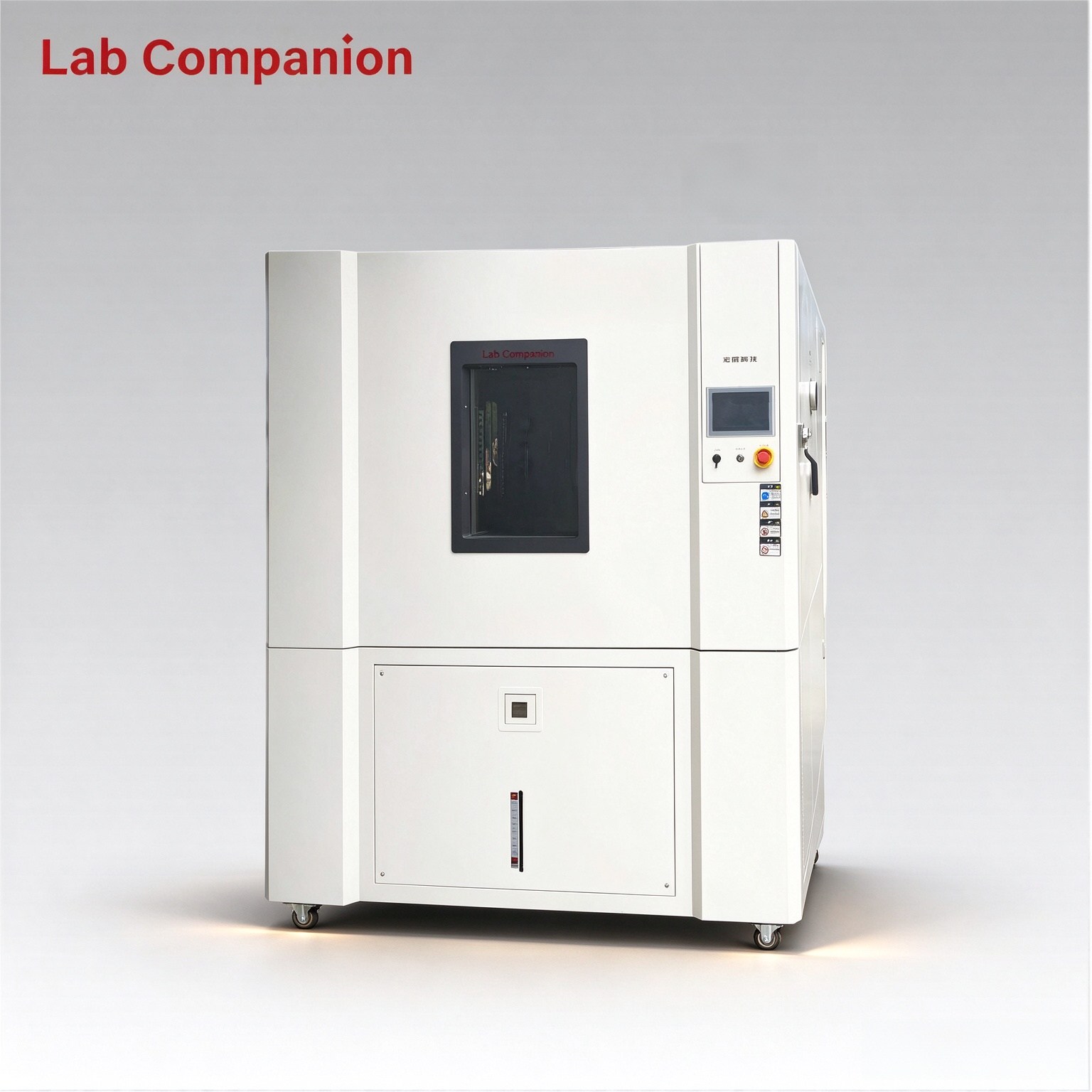
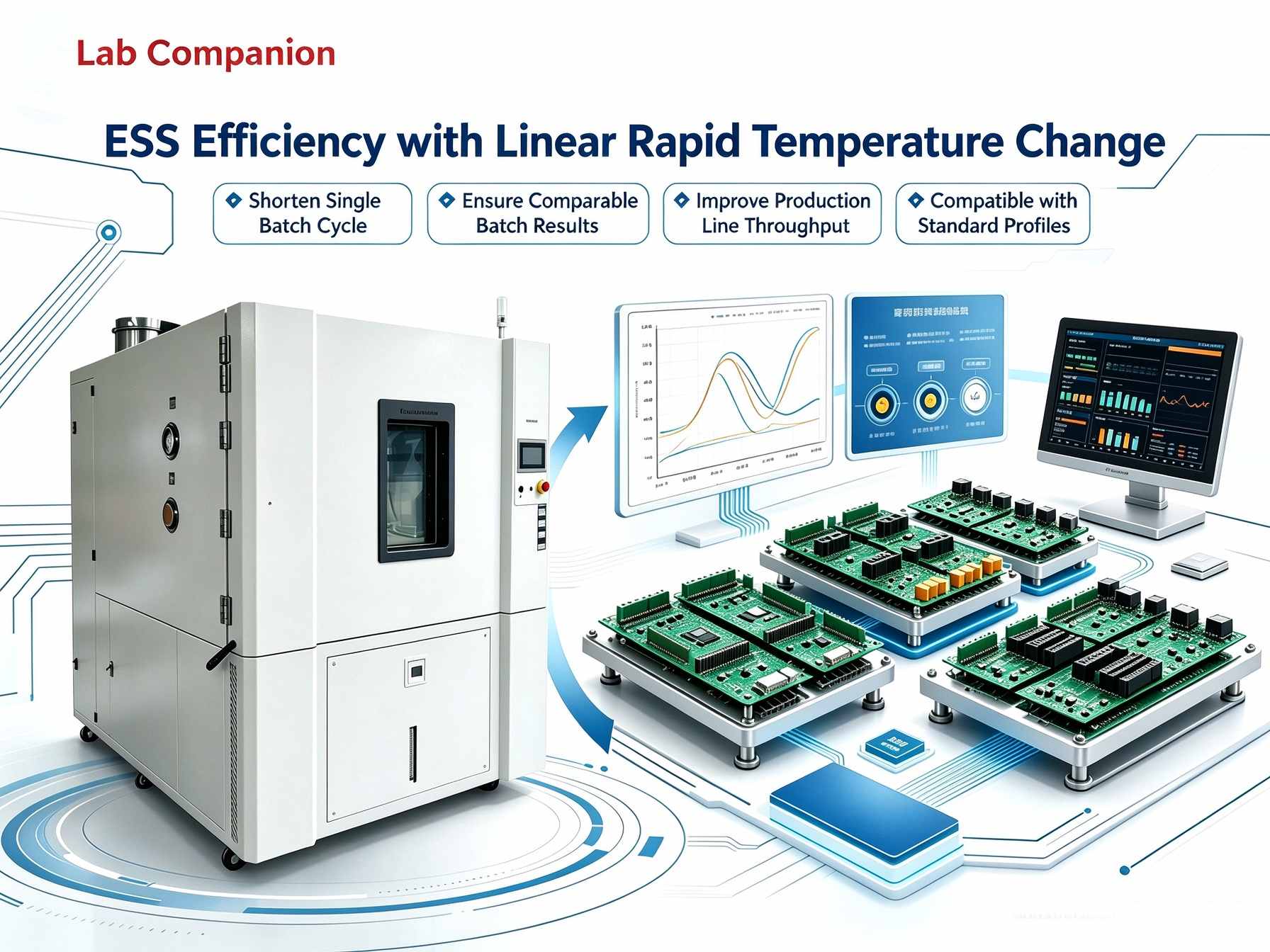
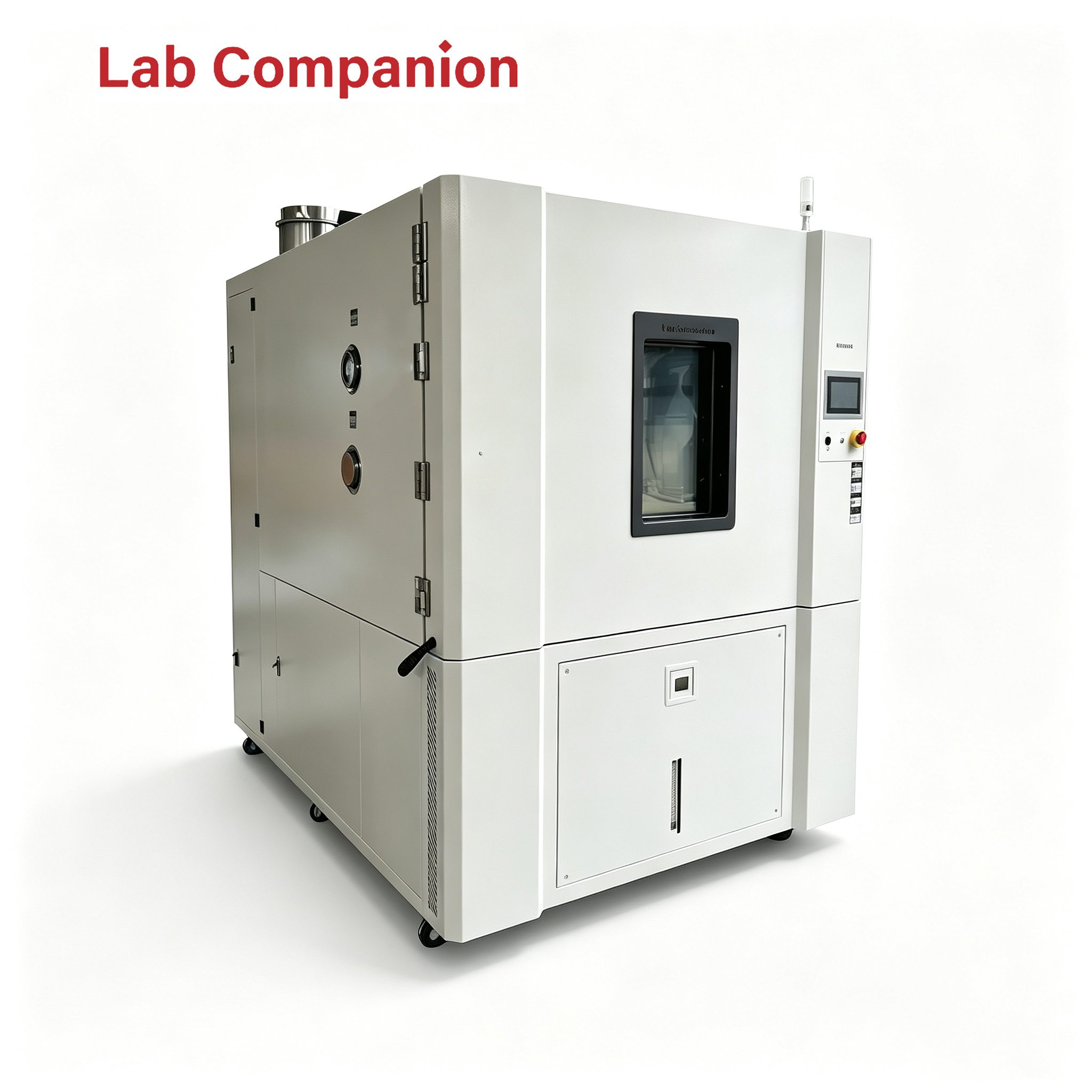
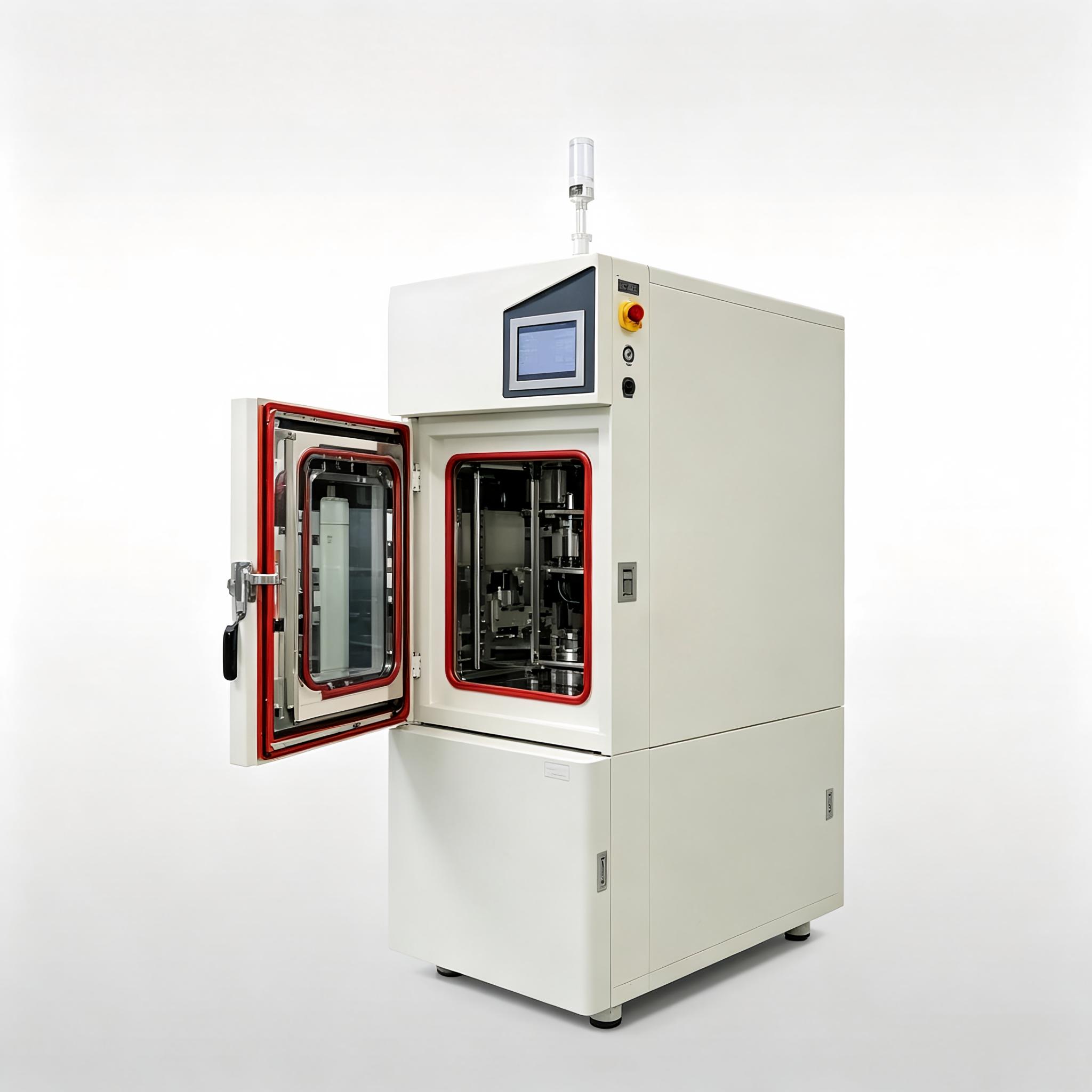
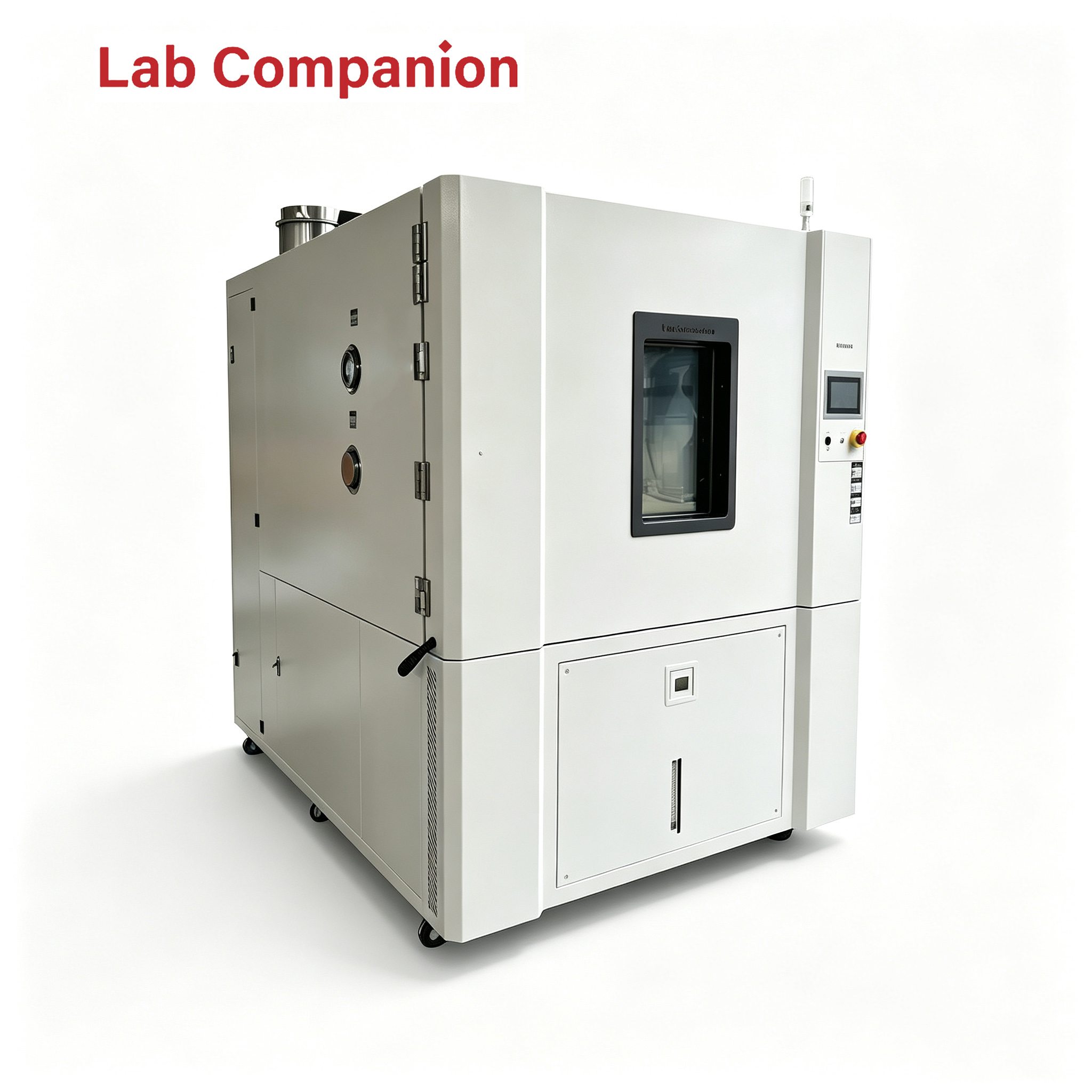
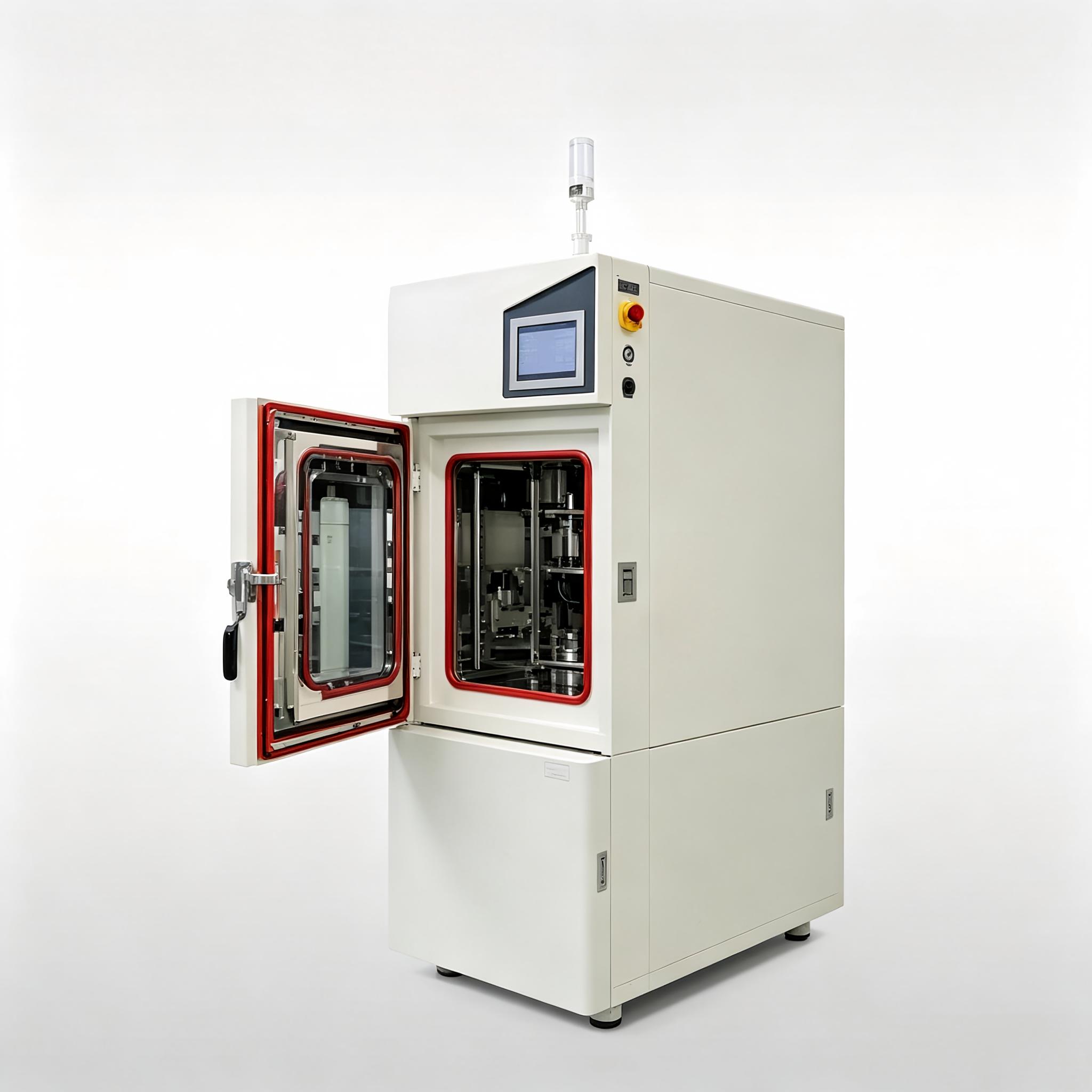
5. Lab Companion ESS & TC Test Chambers - Guangdong Lab Companion Co., Ltd.
High efficiency guarantees quality, maximizing reliability assurance.
Lab Companion ESS series complies with universal climatic test standards, offering chamber volumes from 270L to 1300L and a temperature range of -70°C to +180°C, meeting diverse customer needs. Optimal temperature change rates: 5K/min, 10K/min, 15K/min.
Your product functionality remains intact throughout production, R&D, and quality assurance. Leave reliability testing to us.
Temperature cycling test chambers are core equipment for product reliability verification, with adaptability directly affecting product performance and service life. Industry-specific application scenarios and testing standards vary greatly, making standard equipment unable to meet refined needs. With 20 years of industry expertise, LABCOMPANION has developed customized temperature cycling test solutions targeting pain points in three core sectors—automotive components, medical devices, electronic & electrical products—relying on precise temperature control technology to become a trusted partner for enterprises.
I. Automotive Components Industry: Solving Outdoor Condition Simulation & Batch Testing Issues
Automotive components must withstand extreme outdoor temperature and humidity, with the weather resistance of sensors, connectors and other core parts critical to driving safety. Key pain points: insufficient temperature range of standard equipment for simulating full working conditions (-30℃ cold start, 70℃ high-temperature exposure); low batch testing efficiency causing production bottlenecks; strict industry standards requiring traceable, repeatable test data.
LABCOMPANION’s customized rapid temperature cycling test chambers offer targeted solutions: -40℃~85℃ temperature range for full-scenario testing, ±0.3℃ control accuracy and ≤±0.5℃ fluctuation to ensure uniform temperature field; programmable LED controller supporting over 200 preset programs to boost batch efficiency; intelligent data acquisition system for real-time recording and compliant report generation, meeting quality traceability needs. This solution serves leading automotive component enterprises, testing brake system sensors and control modules to identify potential defects, ensuring stable operation under harsh conditions and compliance with industry standards.
II. Medical Device Industry: Adapting to Sterility & Precision Temperature Control for Compliance Testing
Medical devices are directly linked to patient safety, requiring reliability testing to balance precision temperature control and sterile cleanliness. Core pain points: precise temperature control for drying syringes, catheters and other consumables to avoid material damage; high-humidity simulation for monitors in hospital environments; compliance with ISO 13485 and other standards for market access.
LABCOMPANION provides an integrated solution of temperature-humidity chambers and precision ovens. Precision ovens with 304 stainless steel sealed inner chambers offer ±0.3℃ accuracy, 60℃-120℃ drying range to protect consumables; temperature-humidity chambers simulate 55℃+95%RH environment, with CE and ISO9001 certifications for data compliance; customizable large-capacity chambers support full-scale testing of large medical devices. Widely used in manufacturing and pharmaceutical distribution, it ensures sterility and compliance in production, and verifies cold chain packaging reliability in distribution.
III. Electronic & Electrical Industry: Addressing High-Precision Aging Testing for PCBs & Components
The service life of electronic & electrical products (PCBs, capacitors, resistors) depends on thermal stability. Key pain points: precise temperature control for PCB drying to remove solder paste moisture and prevent cold soldering; uniform temperature field for component high-temperature aging; adjustable multi-temperature zones for research to ensure data repeatability.
LABCOMPANION’s combined solution of precision ovens and temperature cycling chambers meets diverse needs: precision ovens with convection heating system (≤2℃ uniformity, ±0.3℃ accuracy) for 100℃ PCB drying; temperature cycling chambers (-40℃~85℃) with programmable cycles for component aging; research-grade equipment (40℃-200℃, 98% data repeatability) for academic institutions. It reduces cold soldering rates in production and supports electronic material research in academia.
IV. Full-Process Service Support: End-to-End Assurance from Requirement to Implementation
LABCOMPANION’s core competitiveness lies in both tailored products and full-process support. Professional teams conduct on-site assessments to design solutions, with post-delivery installation, commissioning and training. 16 national service centers, with the Dongguan headquarters covering the Pearl River Delta, offer 2-hour response, on-site support within 3 days and 1-year full equipment warranty.
From automotive component condition simulation to medical device compliance testing and electronic product aging verification, LABCOMPANION resolves industry pain points with customized technologies. Backed by 20 years of experience and authoritative certifications, it continues to provide reliable testing support for core industries, helping enterprises improve product quality and safety.
Core Logic: Match testing requirements, balance performance and full life-cycle cost, and avoid over-specification for under-utilization.
I. Core Testing Requirements
1. Temperature Change Rate
Clarify the loaded rate and deviation requirements (e.g., ≤±0.5℃/min), and match the application scenarios:
l 5–10℃/min for consumer electronics
l 10–20℃/min for automotive/aerospace industries
2. Temperature & Humidity Range
Cover the specified testing standards:
l -40~85℃ for new energy products
l -55~125℃ for aerospace products
Select models with 20%–98%RH range if humidity testing is required.
3. Sample Compatibility
l The chamber volume should be ≥ 3 times the sample volume.
l Dynamic load compensation is required for high-heat-capacity samples (e.g., metal components).
II. Hardware Performance
1. Refrigeration System
Prioritize dual-compressor cascade systems equipped with imported brands (Danfoss/Copeland) and eco-friendly refrigerants (R404A/R23).
2. Air Duct & Heating System
Adopt scroll diversion + baffle design, with 0–100% linear adjustment of heating tubes.
3. Sensors
Use imported PT1000 sensors with a sampling frequency of ≥ 10 times/second.
III. Software Functions
1. Algorithm
PID closed-loop control + adaptive temperature zone compensation, supporting custom rate curve setting.
2. Data Management
Automatic data recording and export (Excel/CSV format), with support for remote control and multi-channel alarm.
3. Safety Features
Over-temperature protection, compressor overload protection, water shortage protection, etc. Explosion-proof pressure relief devices are mandatory for flammable and explosive samples.
IV. Full Life-Cycle Cost
1. Procurement Cost
Select models based on actual needs; avoid blind pursuit of high rates (the price of 10℃/min models is 1.5–2 times that of 5℃/min models).
2. Operation Cost
Prefer inverter compressors to reduce electricity consumption by 15%–20%.
3. Maintenance Cost
Choose models with modular structure, and confirm annual free calibration services.
V. Expandability & Compatibility
Support post-purchase installation of humidity, explosion-proof, and data acquisition modules.
Compatible with upper computers and testing fixtures for automated testing.
VI. Manufacturer Services & Qualifications
Provide customized solutions and loaded rate test reports.
Ensure the equipment has passed ISO 9001 and CE certifications, complying with the GB/T 2423.22 standard.
Ø Selection Case
Testing Scenario: Automotive motor controller testing (8kg, AEC-Q100 standard)
Recommended Model: 150L chamber with 10℃/min loaded rate, -40~125℃ temperature range, and explosion-proof function.
Benefits: Balances testing requirements and cost, improving testing efficiency by 4 times.
Definition and Use of Temperature Cycling Test Chamber
Temperature cycling test chamber is a kind of laboratory equipment widely used in various industries, its main function is to cycle the product within a certain temperature range to simulate the operation of the product in different temperature environments. The equipment is an important tool to realize product reliability testing, quality control and product performance evaluation.
The temperature cycling test chamber is widely used and can be used for testing in various fields, such as aerospace, automotive, electronics, electric power, medical and other fields. In the aerospace sector, temperature cycle test chambers are used to test the performance of aircraft components at extreme temperatures to ensure their reliability in extreme environments. In the automotive field, the temperature cycle test chamber is used to test the performance of automotive components under different temperature and humidity conditions to ensure that the car can operate normally in a variety of environments. In the field of electronics and power, temperature cycling test chambers are used to test the performance and reliability of electronic equipment under different temperature conditions to ensure that the equipment can operate stably for a long time. In the medical field, temperature cycling test chambers are used to test the performance and reliability of medical equipment under different temperature and humidity conditions to ensure the normal operation of the equipment.
The working principle of the temperature cycling test chamber is to carry out the cycling test by controlling the temperature and humidity in the chamber. The device has a variety of temperature control modes, such as constant temperature control, programmed temperature control, programmed temperature control, etc., which can be selected according to needs. During the test process, the temperature cycling test chamber will place the product in different temperature environments for testing to simulate the use of the product in different environments. After the test is completed, users can improve and upgrade the product according to the test results to improve the reliability and performance of the product.
In short, the temperature cycling test chamber is a laboratory equipment widely used in various industries, and its main function is to cycle the product within a certain temperature range to simulate the operation of the product in different temperature environments. The equipment can be used for testing in various fields, such as aerospace, automotive, electronics, power, medical and other fields, and is an important tool to achieve product reliability testing, quality control and product performance evaluation.
UV aging tester testing equipment
The structure of the test chamber is made of corrosion-resistant metal materials, including 8 fluorescent ultraviolet lamps, a water tray, a test sample holder, and temperature and time control systems and indicators.
2. The lamp power is 40W and the lamp length is 1200mm. The range of the uniform working area of the test box is 900 × 210mm.
3. The lights are installed in four rows, divided into two rows. The tubes of each row of lights are installed in parallel, and the center distance of the lights is 70mm.
4. The test sample is fixedly installed at a position 50mm away from the surface of the lamp surface. The test sample and its bracket form the inner wall of the box, and their backs are exposed to cooling air at room temperature due to the temperature difference between the test sample and the air inside the box. To create stable condensation conditions on the surface of the test sample during the condensation stage, the test chamber should generate natural air convection through the outer wall of the chamber and the channel of the test sample at the bottom.
5. Water vapor is generated by a water tray located at the bottom of the heating box, with a water depth not exceeding 25mm, and equipped with an automatic water supply controller. The water tray should be regularly cleaned to prevent the formation of scale.
6. The temperature of the test chamber is measured by a sensor fixed on a black aluminum plate (blackboard) with a width of 75mm, height of 100mm, and thickness of 2.5mm. The blackboard should be placed in the central area of the exposure test, and the measurement range of the thermometer is 30-80 ℃ with a tolerance of ± 1 ℃. The control of lighting and condensation stages should be carried out separately, and the condensation stage is controlled by the heating water temperature.
7. The test chamber should be placed in a test room with a temperature of 15-35 ℃, 300mm away from the wall, and should prevent the influence of other heat sources. The air in the test room should not circulate strongly to avoid affecting the lighting and condensation conditions.
Dear customer:
Hello, our company is a high-quality development team with strong technical strength, providing high-quality products, complete solutions, and excellent technical services to our customers. The main products include walk-in constant temperature and humidity testing chambers, UV accelerated aging testing machines, rapid temperature change testing chambers, walk-in environmental testing chambers, UV aging testers, constant temperature and humidity chambers, etc. Our company adheres to the principle of building a business with integrity, maintaining quality, and striving for progress. With a more determined pace, we continuously climb new heights and contribute to the national automation industry. We welcome new and old customers to confidently choose the products they like. We will serve you wholeheartedly!
Bicycle Lamp Reliability Test
Bicycles are in the social environment of high oil prices and environmental protection, with environmental protection, fitness, slow living... Such as multi-functional recreational sports equipment, and bicycle lights are an indispensable and important part of bicycle night riding, if the purchase of low-cost and not after reliability test of bicycle lights, riding at night or through the tunnel failure, not only for the rider has a serious threat to life safety, For driving, collision accidents can occur because the driver cannot see the cyclist, so it is important to have bicycle lights that pass the reliability test.
Reasons for bicycle lamp failure:
a. Deformation, embrittlement and fading of lamp shell caused by high temperature of lamp
b. yellowing and embrittlement of lamp shell caused by outdoor ultraviolet exposure
c. Riding up and down the hill due to high and low temperature changes in the environment caused by lamp failure
d. Abnormal power consumption of car lights
e. Lights fail after a long time of rain
f. Hot failure occurs when the lights are lit for a long time
g. During riding, the lamp fixture drags loose, causing the lamp to fall
h. Lamp circuit failure caused by road vibration and slope
Bicycle lamp test classification:
Environmental test, mechanical test, radiation test, electrical test
Initial characteristic test:
Take any 30, light the lamp with DC power supply according to the rated voltage, after the characteristics are stable, measure the distance between the current and the optical center, less than 10 defective products are qualified, more than 22 are unqualified, if the number of defective products is between 11 and 22, another 100 samples are collected for testing, and the number of defective products under the original inspection is qualified when the number is less than 22. If the number exceeds 22, it is disqualified.
Life test: 10 bulbs passed the initial characteristic test, and 8 of them met the requirements.
Bicycle test speed: simulated 15 km/h environment
High temperature test (temperature test) : 80℃, 85℃, 90℃
Low temperature test: -20℃
Temperature cycle: 50℃(60min)→ normal temperature (30min)→20(60min)→ normal temperature (30min), 2cycle
Wet heat test: 30℃/95%R.H/48 hours
Stress screening test: High temperature: 85℃←→ Low temperature: -25℃, dwell time: 30min, cycle: 5cycles, power on, time: ≧24h
Shell salt spray test: 20℃/15% salt concentration/spray for 6 hours, determination method: the surface of the shell should not occur obvious rust
Waterproof test:
Description: The IPX rating of rainproof lamps needs to be at least IPX3 or above
IPX3(Water resistance) : Drop 10 liters of water vertically from a height of 200CM at 60˚ (test time: 10 minutes)
IPX4(anti-water, anti-splash) : 10 liters of water drops from 30 ~ 50CM in any direction (test time: 10 minutes)
IPX5:3m 12.5L of water from any direction [weak water](test time: 3 minutes)
IPX6:3m Strong spray 30 liters from any direction [strong water, pressure: 100KPa](test time: 3 minutes)
IPX7(Life waterproof) : It can be used for 30 minutes under 1m in water
Vibration test: vibration number 11.7 ~ 20Hz/amplitude: 11 ~ 4mm/ time: up and down 2h, about 2h, 2h before and after 2h/acceleration 4 ~ 5g
Drop test: 1 meter (hand drop), 2 meters (bicycle fall, fall from the frame)/ concrete floor/four times/four sides
Impact test: 10mm flat wooden platform/Distance: 1 m/diameter 20mm mass 36g steel ball free fall/top surface and side once
Low temperature impact: When the sample is cold to -5℃, maintain this temperature for three hours and then carry out the impact test
Irradiation test: long time irradiation brightness test, low voltage irradiation test, light brightness, light color
Bicycle lamp noun sorting:
Structural characteristics of temperature and humidity control box
The full name of the temperature and humidity control chamber is "Constant Temperature and Humidity Test Chamber", which is an essential testing equipment in aviation, automotive, home appliances, scientific research and other fields. It is used to test and determine the parameters and performance of electrical, electronic and other products and materials after high temperature, low temperature, humidity and heat or constant temperature environment changes. It can be mainly divided into "desktop" and "vertical" according to testing requirements and standards, with the difference being the temperature and humidity that can be achieved. The vertical type can be used for low temperature and drying below room temperature, while the desktop type can only be used for temperature and high humidity above room temperature.
Suitable for various small electrical appliances, instruments, materials, and components for wet heat testing, it is also suitable for conducting aging tests. This test chamber adopts the most reasonable structure and stable and reliable control method currently available, making it aesthetically pleasing, easy to operate, safe, and with high precision in temperature and humidity control. It is an ideal equipment for conducting constant temperature and humidity tests.
1) The test box body is in the form of an integral structure, with the refrigeration system located at the lower rear of the box and the control system located at the upper part of the test box.
(2) Inside the air duct interlayer at one end of the studio, there are devices such as heaters, refrigeration evaporators, and fan blades distributed; On the left side of the test box, there is a Ø 50 cable hole, and the test box is a single door (stainless steel embedded door handle)
(3) The double-layer high temperature and anti-aging silicone rubber seal can effectively ensure the temperature loss of the test chamber
(4) There are observation windows, frost prevention devices, and switchable lighting fixtures on the box door. The observation window adopts multi-layer hollow tempered glass, and the inner adhesive sheet conductive film is heated and defrosted. The lighting fixtures use imported brand Philips lamps, which can effectively observe the experimental changes in the studio from all angles.
Dear customer:
Hello, our company is a high-quality development team with strong technical strength, providing high-quality products, complete solutions, and excellent technical services to our customers. The main products include walk-in constant temperature and humidity testing chambers, UV accelerated aging testing machines, rapid temperature change testing chambers, walk-in environmental testing chambers, UV aging testers, constant temperature and humidity chambers, etc. Our company adheres to the principle of building a business with integrity, maintaining quality, and striving for progress. With a more determined pace, we continuously climb new heights and contribute to the national automation industry. We welcome new and old customers to confidently choose the products they like. We will serve you wholeheartedly!
Temperature control of solar simulation irradiation test chamber
The test chamber uses an artificial light source combined with a G7 OUTDOOR filter to adjust the system light source to meet the requirements of IEC61646 for solar simulators by simulating the radiation in natural sunlight. The above system light source is used to conduct the IEC61646 photoaging test on the solar cell module, and the temperature on the back of the module needs to be constantly controlled between 50 ± 10℃during the test. Can automatically monitor temperature; Configure a radiometer to control the irradiance of light, ensuring it remains stable at a specified level, while also controlling the testing time.
During the ultraviolet light cycle period in the solar simulation irradiation test chamber, photochemical reactions are usually not sensitive to temperature. But the rate of any subsequent reaction depends on the temperature. The rate of these reactions accelerates with increasing temperature. Therefore, controlling the temperature during UV exposure is crucial. In addition, it is necessary to ensure that the temperature of the accelerated aging test is consistent with the highest temperature at which the material is directly exposed to sunlight. In the solar simulation irradiation test chamber, the UV exposure temperature can be set at any temperature between 50 ℃ and 80 ℃ based on the illuminance and ambient temperature. The UV exposure temperature is adjusted by a sensitive temperature controller and blower system to achieve excellent uniformity in the temperature of this test chamber.
Dear customer:
Hello, our company is a high-quality development team with strong technical strength, providing high-quality products, complete solutions, and excellent technical services to our customers. The main products include walk-in constant temperature and humidity testing chambers, UV accelerated aging testing machines, rapid temperature change testing chambers, walk-in environmental testing chambers, UV aging testers, constant temperature and humidity chambers, etc. Our company adheres to the principle of building a business with integrity, maintaining quality, and striving for progress. With a more determined pace, we continuously climb new heights and contribute to the national automation industry. We welcome new and old customers to confidently choose the products they like. We will serve you wholeheartedly!
Factors causing uneven temperature inside the high and low temperature humid heat test chamber
The high and low temperature damp heat test chamber is the main equipment in temperature and humidity environment testing, mainly used for conducting high and low temperature and humidity tests to evaluate the temperature and humidity resistance of products, so as to ensure that our products can work and operate normally under any environmental conditions. However, if the temperature uniformity exceeds the allowable deviation range during environmental testing in the high and low temperature damp heat test chamber, the data obtained from the test is unreliable and cannot be used as the ultimate tolerance for high and low temperature testing of materials or products. So what are the reasons that can cause temperature uniformity to exceed the allowable deviation range?
1. The differences in the test objects in the high and low temperature humid heat test chamber: If enough test samples that affect the overall internal heat convection are placed in the high and low temperature test chamber, it will inevitably affect the uniformity of the internal temperature to a certain extent, that is, the temperature uniformity. For example, if LED lighting products are placed, the products themselves emit light and heat, becoming a thermal load, which has a significant impact on temperature uniformity.
2. The design issues make it difficult to achieve a uniform symmetrical structure in the internal structure and space of the high and low temperature wet heat test chamber, and an asymmetric structure will inevitably lead to deviations in the uniformity of internal temperature. This aspect is mainly reflected in sheet metal design and processing, such as the design of air ducts, the placement of heating pipes, and the size of fan power. All of these will affect the temperature uniformity inside the box.
3. Due to the different structures of the inner wall of the high and low temperature humid heat test chamber, the temperature of the inner wall of the test chamber will also be uneven, which will affect the heat convection inside the working chamber and cause deviation in the internal temperature uniformity.
4. Due to the different heat transfer coefficients on the front, back, left, right, top, and bottom surfaces of the box wall in the studio, some have threading holes, detection holes, testing holes, etc., which cause local heat dissipation and transfer, resulting in uneven temperature distribution of the box body and uneven radiative convective heat transfer on the box wall, affecting temperature uniformity.
5. The sealing of the box and door is not strict, for example, the sealing strip is not customized and has seams, and the door leaks air, which affects the temperature uniformity of the workspace.
6. If the volume of the test object is too large, or if the position or method of placing the test object in the high and low temperature damp heat test chamber is inappropriate, it will obstruct the air convection inside and also cause significant temperature uniformity deviation. Placing the test product next to the air duct seriously affects the circulation of air, and of course, the uniformity of temperature will be greatly affected.
In summary, all of these points are the main culprits that affect the temperature uniformity inside the high and low temperature humid heat test chamber. We hope that everyone can investigate from these aspects one by one, which will surely solve your confusion and difficulties.
Dear customer:
Hello, our company is a high-quality development team with strong technical strength, providing high-quality products, complete solutions, and excellent technical services to our customers. The main products include walk-in constant temperature and humidity testing chambers, UV accelerated aging testing machines, rapid temperature change testing chambers, walk-in environmental testing chambers, UV aging testers, constant temperature and humidity chambers, etc. Our company adheres to the principle of building a business with integrity, maintaining quality, and striving for progress. With a more determined pace, we continuously climb new heights and contribute to the national automation industry. We welcome new and old customers to confidently choose the products they like. We will serve you wholeheartedly!
High and low temperature laboratory applications
Can determine whether the reliability and stability performance parameters of the product are qualified. Provide a basis for predicting and improving the quality and reliability of products. Structural characteristics of high and low temperature laboratory:
The high and low temperature laboratory adopts imported advanced temperature and humidity control instruments with PID regulation, fast self-tuning, programmable control of cyclic testing, multiple parameter settings, digital display, and extremely convenient reading;
The refrigeration system adopts an original imported high cooling capacity, high-efficiency maintenance free compressor. Adopting a binary cascade refrigeration method and imported environmentally friendly refrigerant, the cooling capacity is controlled by a servo control valve imported from the United States, saving about 30% energy (compared to our previous products).
The warehouse plate unit combination structure adopts internal stainless steel and external special steel plate spray coating treatment. The internal size can be expanded arbitrarily, and it is easy to disassemble and assemble. It can be customized according to customer requirements to match the site design appearance. Cooperate with customer migration.
A high-temperature resistant sealing strip is installed between the door and the shell of the walk-in constant temperature and humidity testing machine, effectively ensuring the sealing of the working room;
It has the functions of system parameter monitoring and equipment fault protection diagnosis. When there is a fault, it is accompanied by an alarm sound to prompt the fault handling measures, and at the same time, it is recorded in the book, which facilitates maintenance personnel to understand the medical history of the equipment. Improve maintenance quality and equipment stability.
Dear customer:
Hello, our company is a high-quality development team with strong technical strength, providing high-quality products, complete solutions, and excellent technical services to our customers. The main products include walk-in constant temperature and humidity testing chambers, UV accelerated aging testing machines, rapid temperature change testing chambers, walk-in environmental testing chambers, UV aging testers, constant temperature and humidity chambers, etc. Our company adheres to the principle of building a business with integrity, maintaining quality, and striving for progress. With a more determined pace, we continuously climb new heights and contribute to the national automation industry. We welcome new and old customers to confidently choose the products they like. We will serve you wholeheartedly!
The development prospects of high and low temperature wet heat test chambers are promising
Nowadays, China's environmental testing equipment industry is rapidly developing, constantly innovating and surpassing. However, compared to the international level, China has only reached the technical level of the mid-1990s. The development of modern industrial testing equipment not only depends on the level of product technology, but also involves engineering application technology. But many products in our country have already reached the level of international mainstream products, with a wide variety, complete specifications, low prices, and are very competitive in the international market; For example, the high and low temperature wet heat test chamber has reached the international product level.
The high and low temperature damp heat test chamber in China has done very well both in terms of product reliability and product precision. Now the test chamber in China is becoming more and more intelligent and integrated into the Internet. As long as you have a computer, you can control it anywhere and anytime; And the price is relatively cheaper compared to foreign countries, with the same quality but different prices. However, it is still necessary to constantly innovate technological indicators, constantly surpass oneself, and become a leader in environmental testing equipment. From the current perspective, the development path of high and low temperature wet heat test chambers is bright.
On the other hand, China's environmental testing equipment industry is accelerating from laboratories to the forefront of production, and to people's homes and lives. Portable, handheld, and personalized instruments are developing in large numbers, and commodity testing, environmental testing, and health testing have become new demand hotspots; The current trend in the development of instruments and meters is on the rise. It is believed that soon, China's leading product in the environmental testing industry, the high and low temperature wet heat test chamber, will be far ahead in terms of technology, brand, and other aspects internationally.
Dear customer:
Hello, our company is a high-quality development team with strong technical strength, providing high-quality products, complete solutions, and excellent technical services to our customers. The main products include walk-in constant temperature and humidity testing chambers, UV accelerated aging testing machines, rapid temperature change testing chambers, walk-in environmental testing chambers, UV aging testers, constant temperature and humidity chambers, etc. Our company adheres to the principle of building a business with integrity, maintaining quality, and striving for progress. With a more determined pace, we continuously climb new heights and contribute to the national automation industry. We welcome new and old customers to confidently choose the products they like. We will serve you wholeheartedly!
UV accelerated aging testing machine with humid condensation environment and water spray system
In many outdoor environments, materials can be kept moist for up to 12 hours per day. Research has shown that the main factor causing outdoor humidity is dew, not rainwater. GUV simulates outdoor moisture erosion through its unique condensation function. In the condensation cycle during the experiment, the water in the reservoir at the bottom of the testing chamber is heated to generate hot steam, which fills the entire testing chamber. The hot steam maintains the relative humidity in the testing chamber at 100% and maintains a relatively high temperature. The sample is fixed on the side wall of the testing chamber, so that the testing surface of the sample is exposed to the ambient air inside the testing chamber. The outward side of the sample exposed to the natural environment has a cooling effect, resulting in a temperature difference between the inner and outer surfaces of the sample. The occurrence of this temperature difference causes the sample to always have liquid water generated by condensation on its testing surface throughout the entire condensation cycle.
Due to outdoor exposure to moisture for up to ten hours a day, a typical condensation cycle typically lasts for several hours. GUV provides two methods for simulating humidity. The most commonly used method is condensation, which is the best way to simulate outdoor moisture erosion. All GUV models are capable of running condensation cycles. Because some application conditions also require the use of water spray to achieve practical results, some GUV models can operate both condensation cycle and water spray cycle.
For certain applications, water spray can better simulate the environmental conditions of final use. Water spraying is very effective in simulating thermal shock or mechanical erosion caused by temperature fluctuations and rainwater erosion. Under certain practical application conditions, such as sunlight, when the accumulated heat rapidly dissipates due to sudden showers, the temperature of the material will undergo a sharp change, resulting in thermal shock, which is a test for many materials. GUV's water spray can simulate thermal shock and/or stress corrosion. The spray system has 12 nozzles, with 6 on each side of the testing room; The sprinkler system can run for a few minutes and then shut down. This short-term water spray can quickly cool the sample and create conditions for thermal shock.
Dear customer:
Hello, our company is a high-quality development team with strong technical strength, providing high-quality products, complete solutions, and excellent technical services to our customers. The main products include walk-in constant temperature and humidity testing chambers, UV accelerated aging testing machines, rapid temperature change testing chambers, walk-in environmental testing chambers, UV aging testers, constant temperature and humidity chambers, etc. Our company adheres to the principle of building a business with integrity, maintaining quality, and striving for progress. With a more determined pace, we continuously climb new heights and contribute to the national automation industry. We welcome new and old customers to confidently choose the products they like. We will serve you wholeheartedly!