Lab Companion Custom Thermal Cycling Chamber: Customization Path for Temperature Range, Internal Volume & Dimensions, Temperature Ramp Rate and Special Functions
Oct 16, 2026
I. Necessity of Non-Standard Customization
1.1 Performance Limits of Standard Models
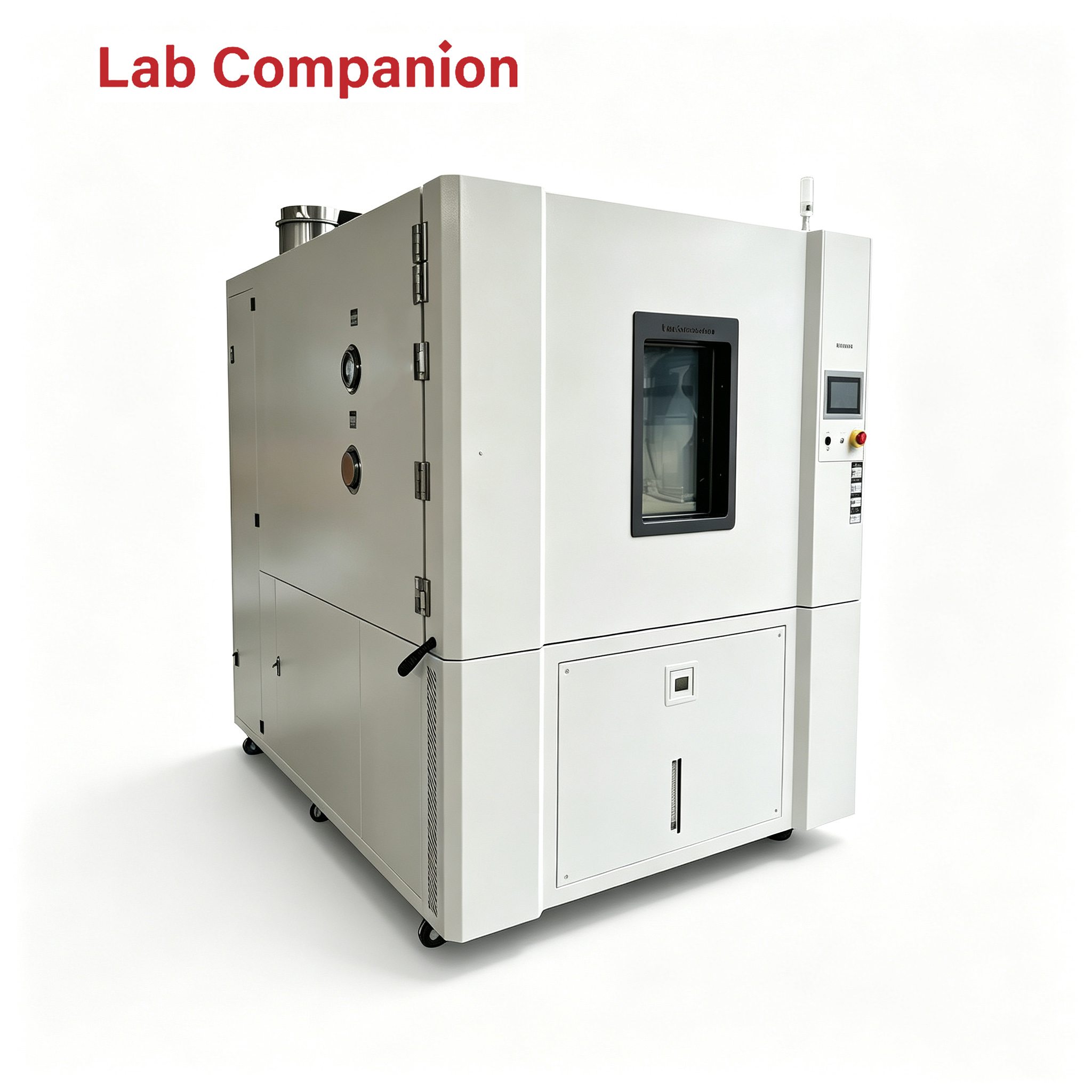
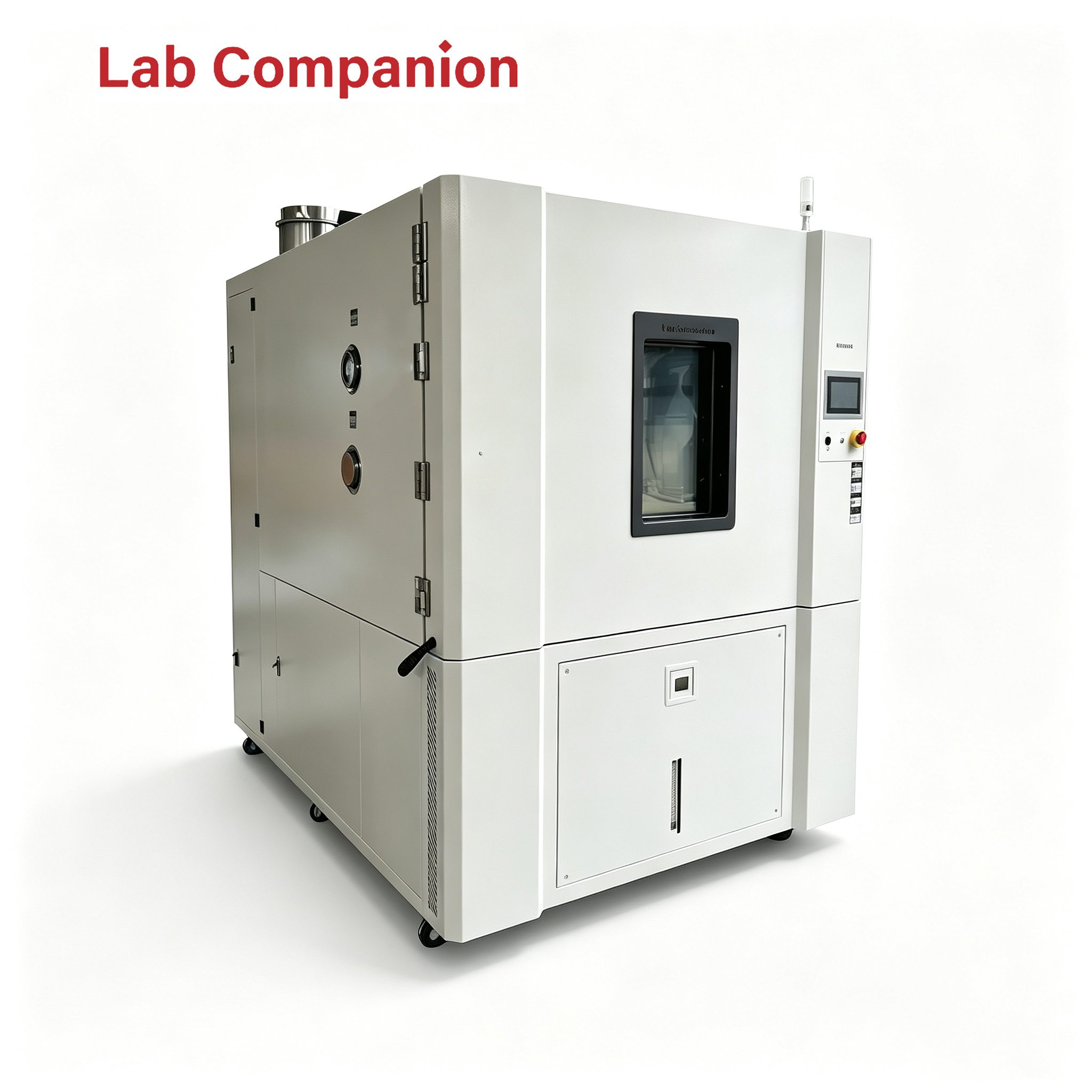
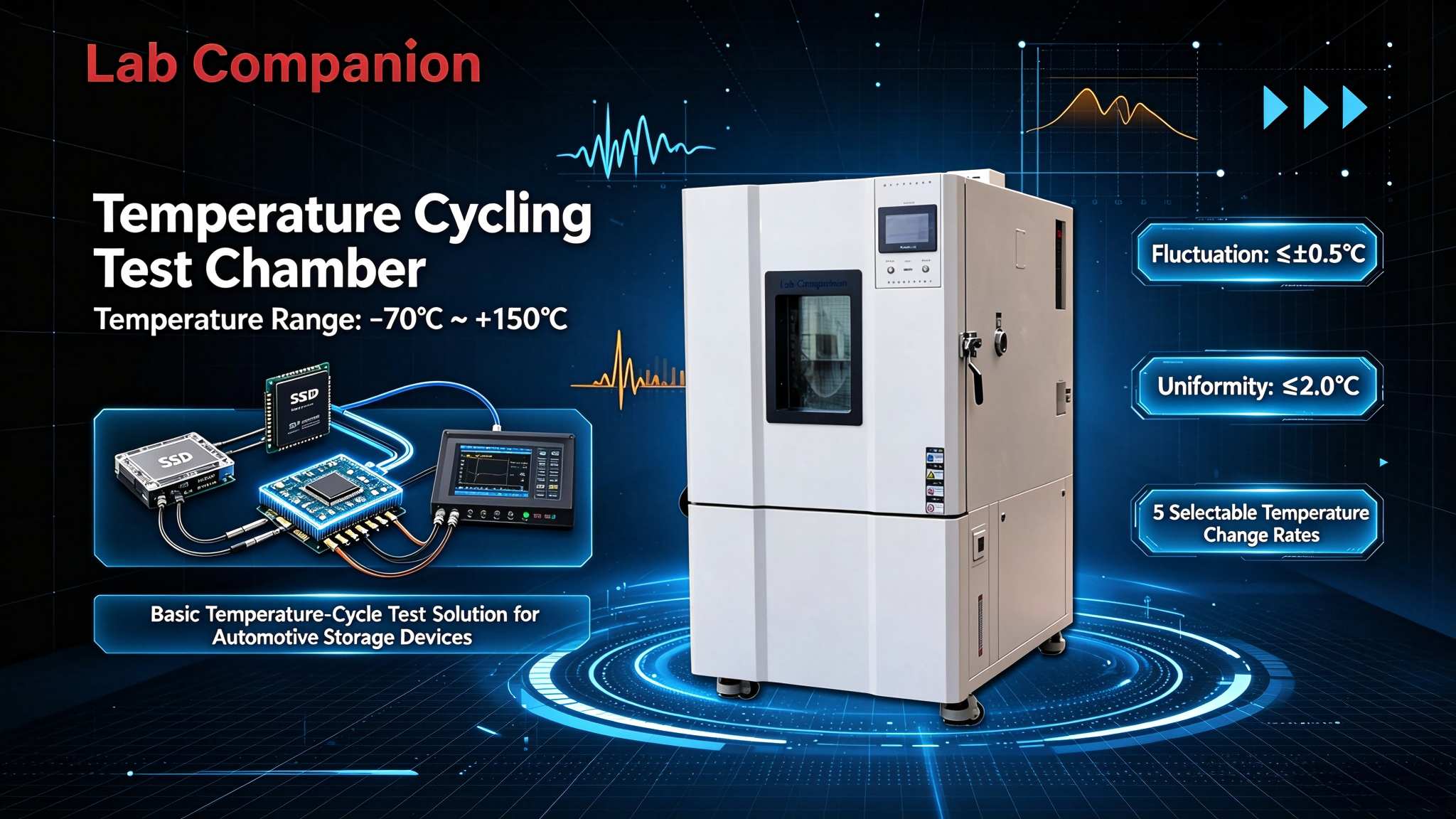
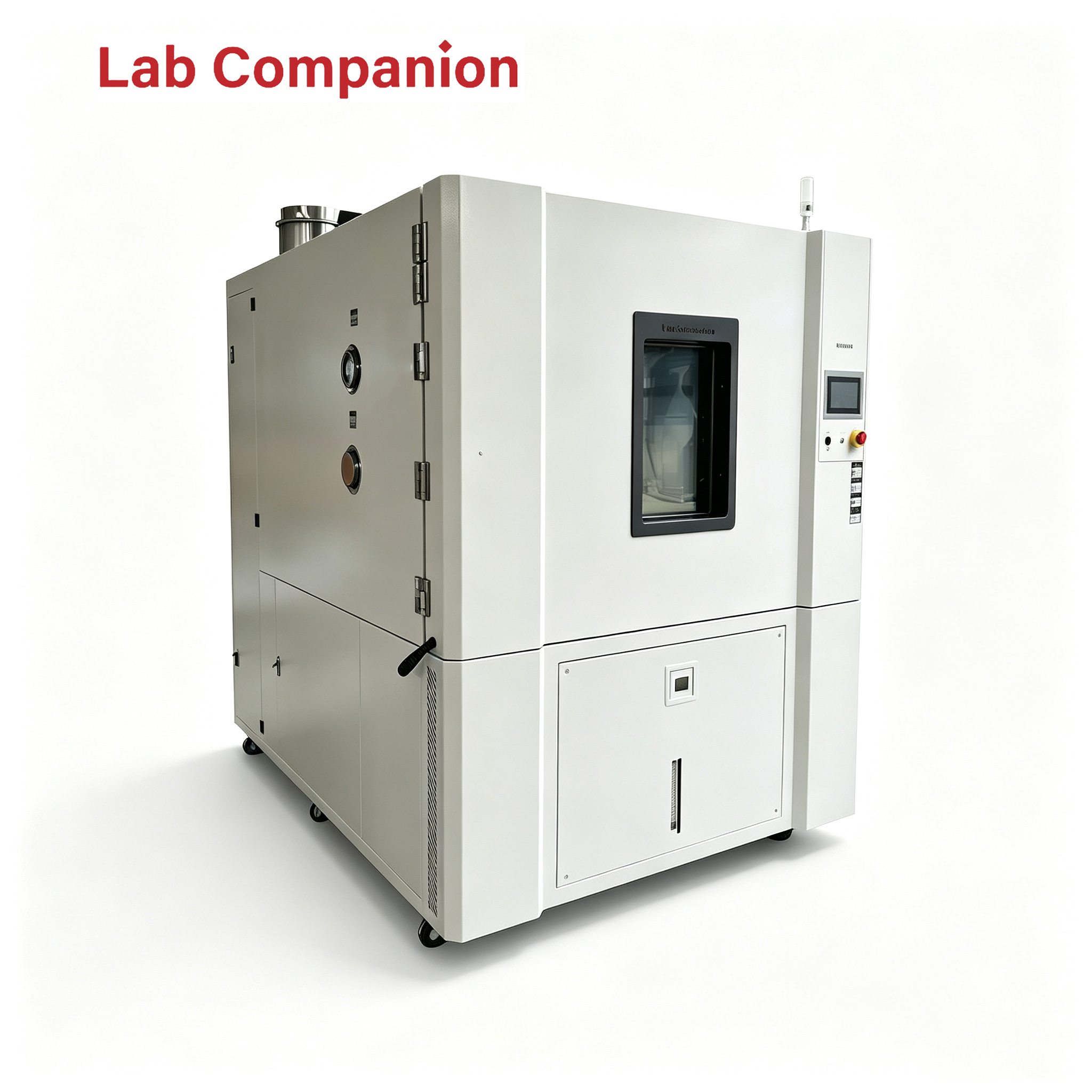
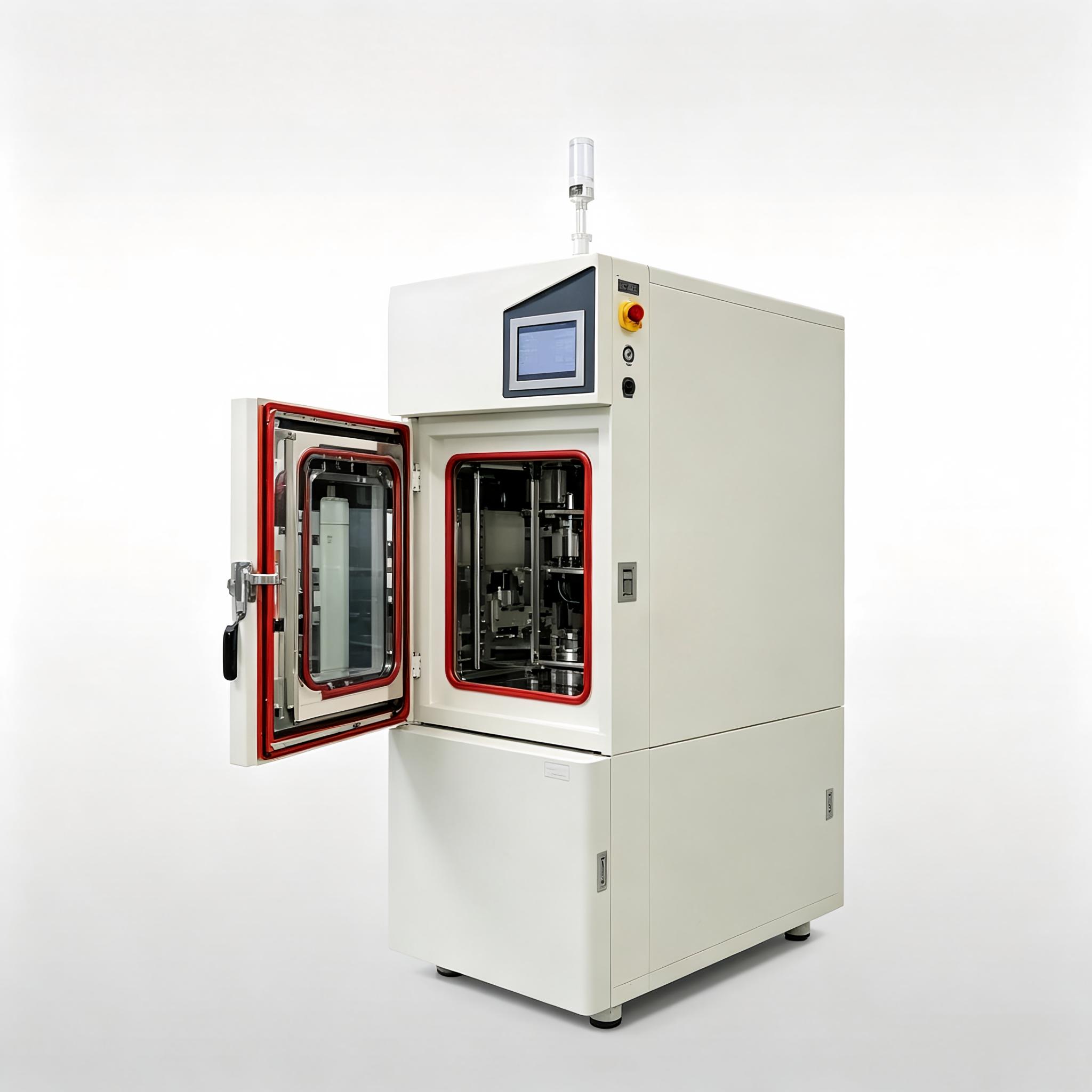
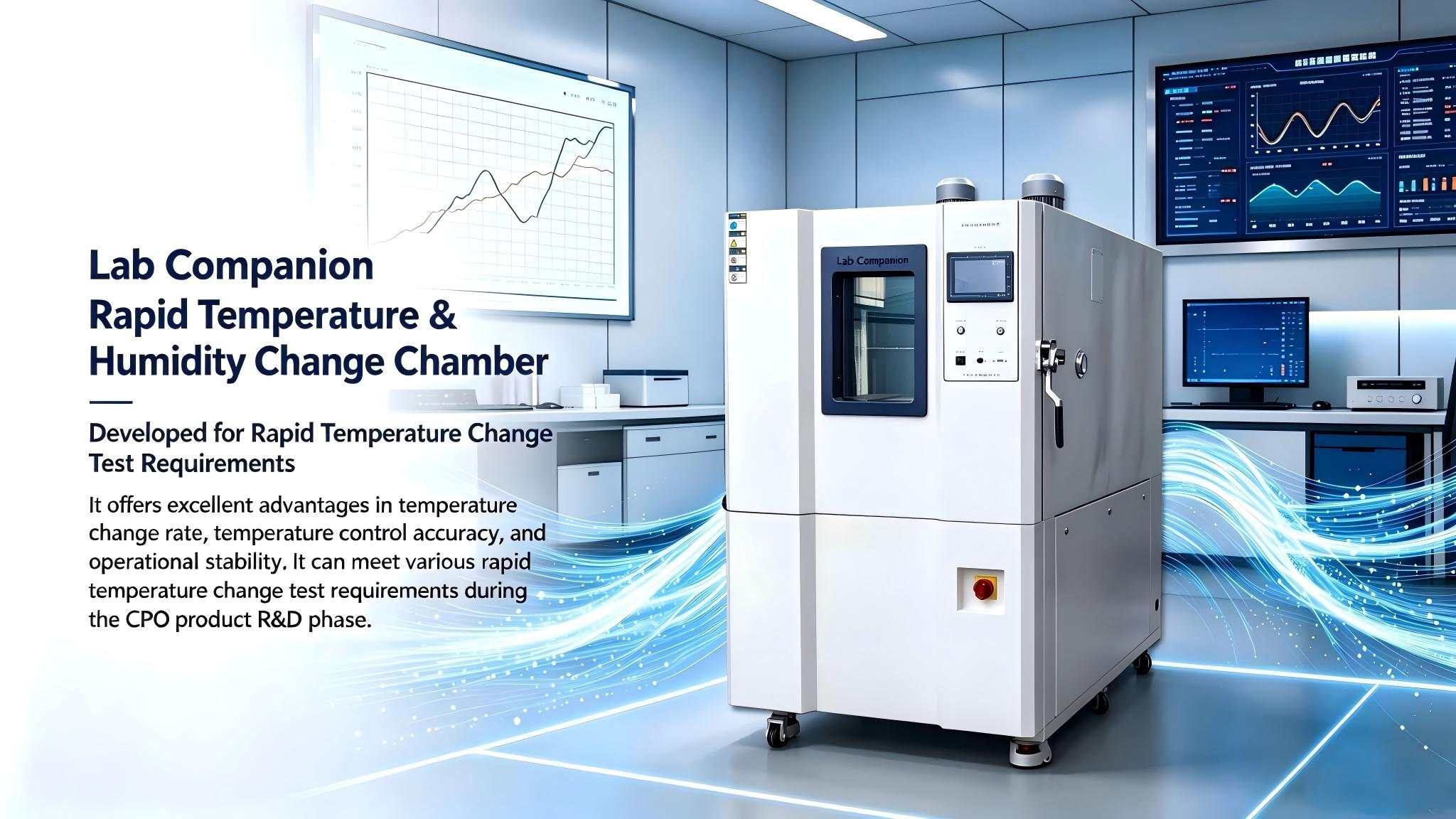
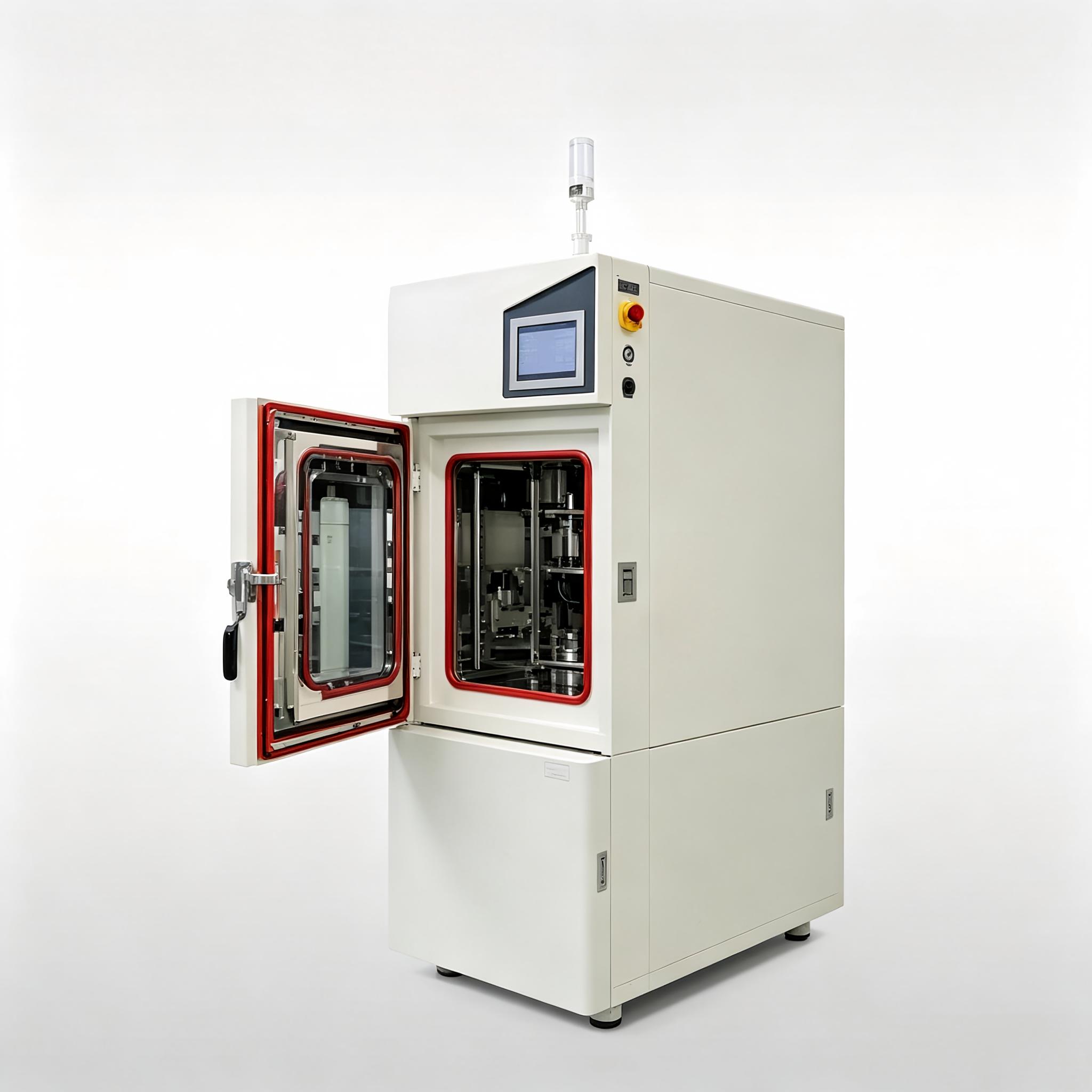
Thermal cycling chambers serve as core equipment for reliability testing in electronics, semiconductors, automotive electronics, new energy and other industries. Lab Companion TC series standard thermal cycling chambers feature a standard temperature range of -70℃ to +150℃, with 5 selectable temperature ramp rates from 5℃/min to 25℃/min. Available internal volumes range from 34L up to 16,000L. Popular standard sizes including 80L, 150L, 225L, 408L and 800L are kept in stock. These configurations meet most conventional thermal cycling test requirements.
Nevertheless, standard models have inherent performance boundaries. They cannot directly support test tasks when test specimens exceed the inner chamber size, when required test temperature limits go beyond the standard range, when samples need power-on operation or connection to data acquisition systems, or when tests involve flammable and explosive specimens requiring special protection.
1.2 Practical Scenarios for Non-Standard Customization
Non-standard customization is not an optional add-on, but a prerequisite to valid testing execution. Typical application scenarios are listed below:
New energy vehicle battery pack testing: full battery packs require testing covering -40℃ cold start and 85℃ high-temperature cycling;
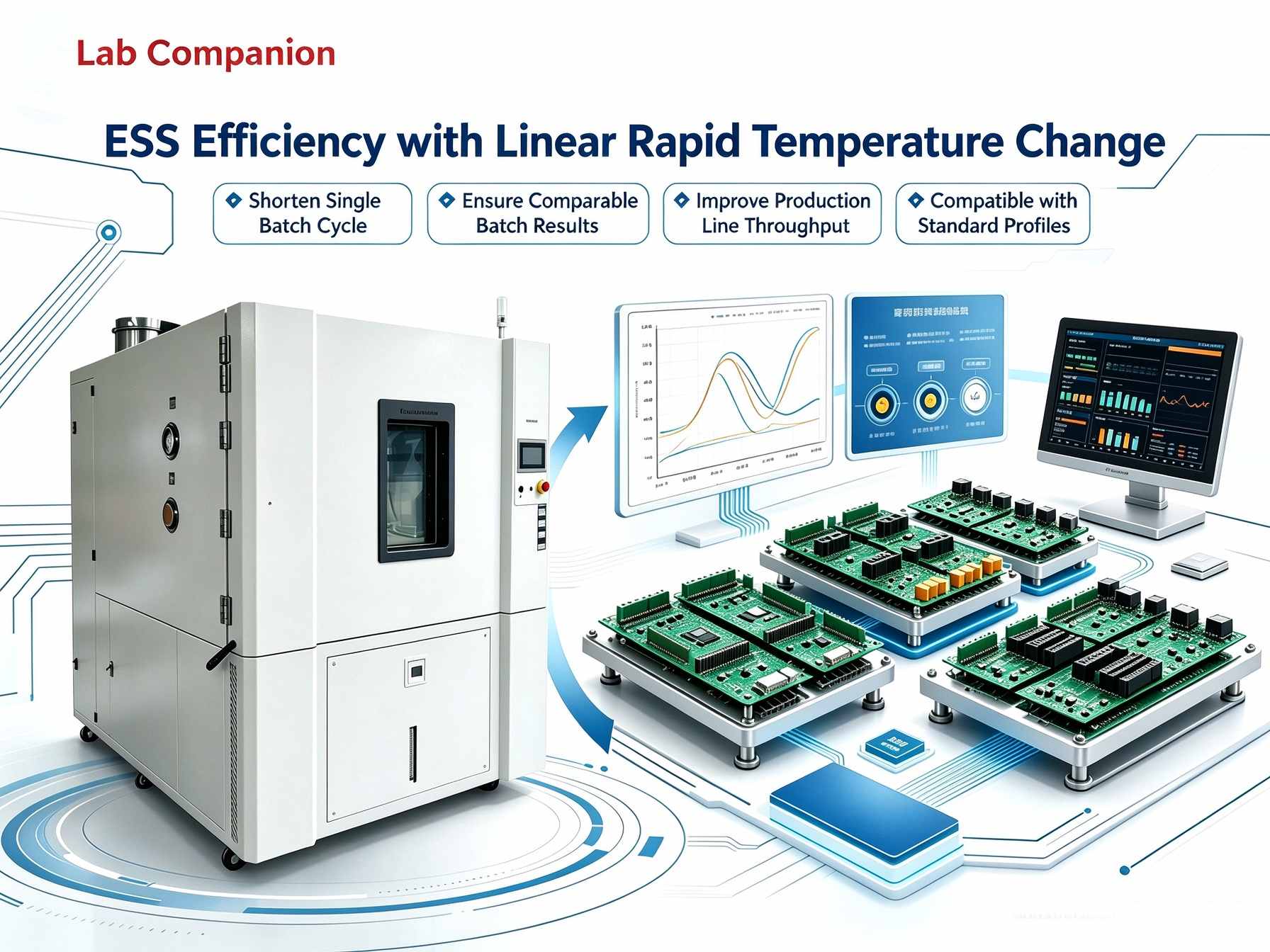
Semiconductor chip testing: demand for infinitely adjustable ramp rates from 1℃/min to 20℃/min to match different phases of chip testing;
High heat-load testing: operating samples may generate heat up to tens of kilowatts. Standard chambers lack sufficient cooling capacity to maintain specified ramp rates under loaded conditions.
Founded in 2005 and headquartered in Dongguan, Guangdong, Lab Companion is a National High-Tech Enterprise and Guangdong Provincial Specialized & Sophisticated Enterprise. With over 20 years of expertise in environmental reliability test equipment, we operate three R&D and manufacturing bases in Dongguan, Kunshan and Chongqing. We have established a full-cycle customization system covering requirement evaluation, design, production and delivery.
II. Four Core Customization Dimensions for Lab Companion Thermal Cycling Chambers
2.1 Temperature Range Customization
The baseline temperature range of standard TC chambers is -70℃ ~ +150℃. For aerospace and other special test applications, the low limit can be extended down to -100℃, while the upper temperature limit can reach +250℃. We have delivered proven custom units with a precise range of -78℃ ~ +150℃ to comply with GJB 150.5A military environmental test specifications. For combined temperature & humidity testing, integrated solutions covering 20%RH ~ 98%RH are available.
2.2 Internal Volume & Dimension Customization
Chamber size is the most frequently requested custom item. Custom volumes from 80L to 8,000L can be engineered as requested. Our walk-in chambers start at 1,000L up to 10,000L, with further scaling available upon request. Inner chamber design takes full account of specimen outer dimensions, loading arrangement (single / multiple samples), material access methods (handcart, forklift, hoisting) and requirements for powered sample testing. Lab Companion once delivered a 20m³ extra-large custom chamber for an aerospace research institute to solve reliability testing challenges for large aerospace assemblies.
Note: Standard models of 80L, 150L, 225L, 408L and 800L are in stock.
2.3 Temperature Ramp Rate Customization
Standard chambers offer 5 fixed ramp rates: 5, 10, 15, 20 and 25℃/min. Customised ramp profiles can be developed per test specifications. For semiconductor projects, we have realised infinitely adjustable ramp rates from 1℃/min to 20℃/min to accommodate varied heating/cooling requirements across chip test phases.
2.4 Special Function Customization
Optional dedicated functions can be integrated according to test workflows:
Semiconductor applications: Nitrogen purge to prevent condensation on samples at low temperatures;
High heat-load applications: dedicated thermal load matching solution to stabilise ramp rates under loaded conditions;
Control & communication: RS485 and Ethernet as standard; optional OPC UA and Modbus TCP for MES connection. For semiconductor production lines, SECS/GEM protocol can be customised to enable seamless data exchange between test chambers and factory management systems;
Additional options: remote monitoring, probe station interfaces and integrated data acquisition systems.
III. Delivery Workflow from Requirement to Commissioning
3.1 In-depth Requirement Analysis & Technical Alignment
The project starts with multiple rounds of technical discussion. Our engineers identify not only what needs testing, but also test purposes and acceptance targets. Combining test standards, specimen characteristics, test cycles and on-site factory conditions, we translate customer requirements into quantifiable technical specifications.
3.2 Concept Design & Proposal Confirmation
Preliminary equipment design is generated based on requirement analysis. Core parameters to be finalised include temperature range, ramp rate profile, inner chamber dimensions, structural layout, fixture & electrical interfaces and control system functions. The proposal will undergo technical review and confirmation with customers to ensure equipment specifications fully match test demands.
3.3 Manufacturing & Factory Acceptance Testing
Once the proposal is approved, production commences. Our three manufacturing bases achieve an annual capacity of more than 2,000 units. Standard models are delivered within 7–15 working days, while non-standard custom chambers can be finished within 20 working days. Before shipment, both no-load and loaded performance verifications are completed.
3.4 On-site Acceptance & Operational Training
After equipment arrival, we perform installation, commissioning and on-site acceptance. Acceptance items cover temperature range and ramp rate under no-load conditions, ramp stability under loaded conditions, temperature uniformity & fluctuation, program cycle validation, communication and data acquisition verification. We also provide on-site operation training and maintenance support to secure long-term stable operation.
IV. Manufacturing & Service Capabilities for Custom Thermal Cycling Chambers
4.1 Production Capacity at Dongguan Manufacturing Base
The Dongguan headquarters serves as our R&D centre and primary production site for TC series chambers, with a plant area of 27,286 m² and an annual output of around 1,000 environmental test chambers. Products hold EU CE certification. Supported by the complete supply chain in the Greater Bay Area, R&D, component procurement, assembly and factory calibration are completed locally to shorten lead times.
4.2 Nationwide Service Network
Sales and after-sales service centres are located in Beijing, Shanghai, Wuhan, Chengdu, Chongqing, Xi’an and Hong Kong, forming a nationwide service network with fast response for customers in the Pearl River Delta. The company operates under ISO9001, ISO14001, ISO45001 and ISO27001 management systems. The Lab Companion trademark is registered under the Madrid System, with trademark protection across 27 EU member states, UK, Canada and multiple Southeast Asian countries.
4.3 Core Hardware & Control System
TC series chambers adopt cascade refrigeration with compressors from top international brands. Lab Companion’s proprietary cold balance energy-saving control technology eliminates energy waste caused by conventional simultaneous heating and cooling conflict. The controller is our self-developed C100 PID + fuzzy logic temperature & humidity control system, equipped with a colour touchscreen. It supports multi-segment programming, automatic data logging, report generation, network connection, remote monitoring and cluster management.
V. Selection & Acceptance Guidelines for Non-Standard Custom Chambers
5.1 Technical Agreement Confirmation
The technical agreement is the primary acceptance document for custom equipment. It must clearly define: temperature range, ramp rates (specifying no-load / loaded conditions), inner chamber dimensions and tolerances, temperature uniformity & fluctuation, communication protocols and data storage formats. For special functions such as nitrogen purge, thermal load adaptation and explosion-proof protection, implementation methods and acceptance criteria must be documented.
5.2 Acceptance Test Items
Key on-site acceptance tests:
Measured ramp rates under no-load conditions;
Ramp rate stability verification under loaded conditions;
Multi-point measurement of chamber temperature uniformity;
Validation of cyclic test programs;
Communication connection and data export verification. Third-party calibration in accordance with JJF 1101-2019 is recommended, with a CNAS-accredited calibration report issued.
5.3 Lead Time & After-sales Support
Standard models: 7–15 working days delivery. Non-standard custom chambers: within 20 working days. Operation training and maintenance service are provided after acceptance. The equipment integrates multi-level safety alarms for overtemperature, compressor overload and fan failure to support long-duration continuous thermal cycling tests.
VI. Conclusion
The core value of non-standard custom thermal cycling chambers lies in the paradigm shift from “adapting tests to equipment” to “tailoring equipment for your tests”. Customised design ensures every equipment parameter precisely matches customer products, test standards and production workflows.
Lab Companion TC thermal cycling chambers are built upon standard specifications: -70℃ ~ +150℃ temperature range, 5–25℃/min five-level ramp rates and 34L–16,000L volume coverage. Extended customization covers temperature range, chamber dimensions, ramp rate and dedicated special functions. Backed by Dongguan manufacturing capacity and nationwide service network, we deliver complete reliability test solutions from standard units to bespoke custom chambers for semiconductor, automotive electronics, new energy and aerospace industries. Detailed technical specifications and configurations can be further discussed according to actual test requirements.
Read More




 Get A Quote


 IPv6 network supported